Mornings are hard. Mornings with a child who refuses anything green, anything mixed together, or anything that "looks weird" are harder. The goal of breakfast meal prep for picky eaters is not to trick your child into eating a perfect meal. The goal is to make the morning smoother for you while keeping safe, familiar foods available and leaving room for small steps toward variety.
This guide gives you a practical system. It covers what to prep, how to store it, and how to handle the moments when your carefully planned breakfast gets pushed away untouched.
Why Breakfast Is the Hardest Meal for Picky Eaters?
Breakfast happens under time pressure. Everyone is tired, the clock is running, and decision-making is low. A picky eater who feels pressured will often resist more, breakfast meal prep for picky eaters.
Meal prep helps because it removes decisions from the morning. When the food is already made and the options are limited to what is in front of them, the power struggle has less room to grow. You are not cooking a new thing while your child is already upset. You are simply reheating something you made when the house was quiet.
The other reason prep matters is repetition. Picky eaters often need to see a food many times before they accept it. Having prepped portions ready means you can offer a small taste of something new alongside a safe food without any extra effort in the moment. If they refuse it, you have lost nothing.
Read Also: From Wacky Cake to Slug Burgers: Fabulous Foods Born of Struggle
The Core Rule: Safe Food First, New Food Second
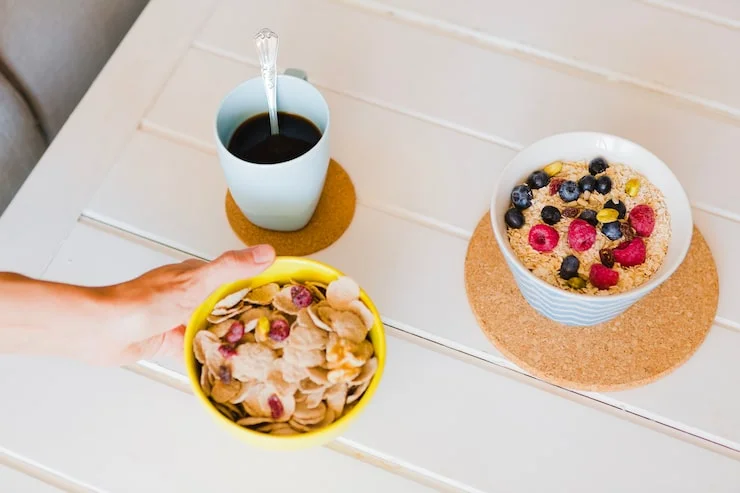
Before you prep a single muffin, understand this principle. Every breakfast you serve should have at least one item your child reliably eats. This is the "safe food." It might be plain toast, a specific brand of yogurt, or a banana with no spots on it.
The new or challenging food sits next to the safe food, not instead of it. You are not withholding the safe food until they try the new thing. That approach builds distrust. Instead, you are making the safe food the anchor and letting the new food be a quiet companion on the plate.
For meal prep, this means you should always have safe foods stocked and ready. A prepped egg bite does nothing if your child is too hungry and anxious to touch it. Put the toast on the plate first, then add one small egg bite beside it. No pressure. No commentary.
What to Prep: Recipes That Survive the Freezer and the Picky Eater?
Not every breakfast food holds up well to make-ahead. Pancakes get rubbery. Scrambled eggs get watery. The best candidates are items that freeze cleanly, reheat without turning strange, and can be made in batches without much hands-on time.
Zucchini Oatmeal Cups
These work because the zucchini is shredded fine enough that it disappears into the texture . The base is rolled oats, which gives a soft, chewy bite rather than a crumbly muffin texture that some picky eaters reject. A small amount of maple syrup provides sweetness without making it taste like dessert.
The key is to keep the mix-ins simple at first. Walnuts add crunch, but a child who is sensitive to texture may pick them out or refuse the whole cup. Start plain. If your child accepts the plain version, you can add mini chocolate chips or a few blueberries later.
Bake a batch on Sunday. Cool them completely, then freeze in a single layer on a sheet pan before transferring to a bag. In the morning, pull out one or two and microwave for thirty to forty seconds. They thaw quickly and hold their shape.
Egg Bites with a Customizable Base
Egg bites are flexible in a way that suits picky eaters because you can make several versions from one batter. The base is eggs, a splash of milk, and a small amount of cheese if your child tolerates it.
Here is the practical part: use a muffin tin and leave some cups plain. In the plain cups, add nothing but the egg mixture. In other cups, add cooked sausage or spinach for the adults or for siblings who will eat them. This way you are not making two separate breakfasts. You are making one batch that serves everyone.
Egg bites freeze well and reheat in about forty-five seconds. They can be eaten with fingers, which matters for young children who prefer not to use utensils. They also do not require syrup or sauce, which keeps the mess low.
Overnight Oats in Small Jars
Overnight oats are not a recipe so much as a ratio. Equal parts rolled oats and milk, left in the fridge overnight. The texture is soft and consistent, which many picky eaters prefer over the variable texture of cooked oatmeal.
The advantage for prep is that you can make five small jars at once on Sunday night and have breakfast ready for the entire week. Use half-pint jars or small containers. Keep the toppings separate until morning. A child who sees a plain white jar of oats is more likely to accept it than a jar with visible chia seeds or fruit chunks already mixed in.
If your child likes a specific flavor, make one jar that flavor and leave the rest plain. Do not assume that because they liked strawberry yogurt, they will like strawberry overnight oats. The texture is different. Offer a small taste before committing a full jar.
Breakfast Strata (for Older Kids and Adults)
A strata is a layered casserole of bread, eggs, and milk that you assemble the night before and bake in the morning. It is not the fastest option, but it is the most hands-off. You do the work the night before, put it in the fridge, and slide it into the oven while everyone is getting dressed.
For picky eaters, the strata is tricky because the layers are visible. A child who does not like foods touching may reject the whole thing. This is not a beginner picky-eater food. It works better for a family where one child is adventurous and another is not, because you can serve the adventurous child a square and give the picky child the safe food with a small piece of strata on the side. No one has to eat the strata. It is simply breakfast meal prep for picky eaters.
How to Store and Reheat Without Ruining the Texture?
Texture is often the real reason a picky eater refuses a food. A muffin that was soft on Sunday but rubbery on Tuesday will be rejected. A soggy egg bite will not get eaten.
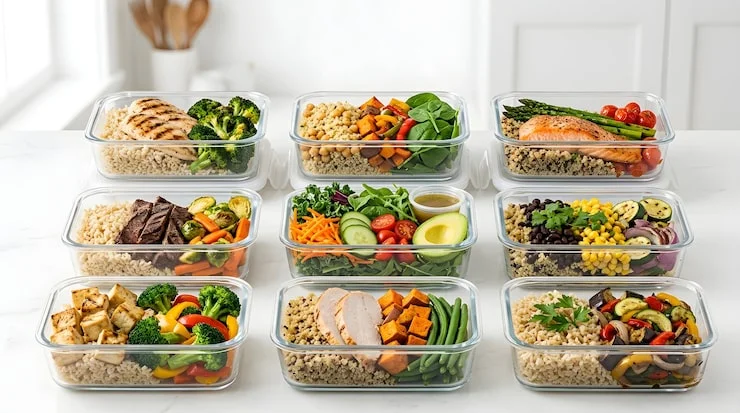
For oatmeal cups and egg bites: Freeze them in a single layer first. Once solid, transfer to a freezer bag. This prevents them from sticking together and lets you pull out exactly what you need. Reheat from frozen in the microwave. Do not thaw them on the counter first. The microwave brings them back to a soft texture quickly, while counter-thawing makes them gummy.
For overnight oats: Keep them in the fridge for up to four days. Do not freeze them. The oats break down and the texture becomes grainy. If you are prepping for a full week, make two batches on Sunday and Wednesday rather than one batch for five days.
For strata: Bake it fully, cool it, and cut into squares. Wrap each square tightly and freeze. Reheat covered with a damp paper towel in the microwave. The paper towel prevents the edges from drying out.
A note on reheating: every microwave is different. Start with thirty seconds and check. Overheating is worse than underheating because once the protein in eggs tightens, it stays tight. A slightly warm egg bite is better than a hot, rubbery one.
The Picky Eater Prep Strategies That Actually Help
Prep is only half the work. How you serve the food matters just as much as what you made.
Let Them Choose the Safe Food
Before you go grocery shopping, ask your child what breakfast foods they want available. Not what they want to eat tomorrow, but what they want in the house. If they say "the round cereal" or "the yogurt with the blue lid," buy it. Having a safe food in the fridge that they chose gives them a sense of control before the morning even starts.
This does not mean they get to eat only cereal every day. It means the safe food is present, and you are not scrambling to find something they will accept.
Serve Components Separately
A picky eater may eat eggs, cheese, and bread. But an egg sandwich where the cheese touches the egg may be refused. The solution is not to stop making egg sandwiches. The solution is to serve the components on the plate with space between them.
For prepped meals, this means you can prep the egg bite and the toast, but plate them separately. Do not assemble. Let the child assemble if they want to, or eat each piece on its own. The meal is the same. The presentation is different.
Keep the Portion Small
A large portion of a new food is intimidating. A single small bite is not. When you offer a prepped oatmeal cup for the first time, cut it into quarters and put one quarter on the plate next to the safe food. If they ignore it, fine. If they poke it, fine. If they take a bite, you can offer more next time.
The goal in the first week is not consumption. The goal is familiarity. A food that has been on the plate ten times without pressure is a food that might eventually get tasted. A food that was forced once is a food that becomes a battle.
Sample Weekly Prep Plan (About One Hour of Hands-On Time)
This is not a rigid schedule. It is a shape you can adjust.
Sunday afternoon: Make one batch of zucchini oatmeal cups and one batch of plain egg bites. Cool completely, freeze on a sheet pan, then bag. This takes about forty-five minutes of active time, much of it hands-off while things bake.
Sunday night: Make four small jars of overnight oats. Two plain, two with a small amount of maple syrup stirred in. Put them in the fridge.
Wednesday night: Make four more jars of overnight oats if you are using them for the second half of the week. Check your freezer stock of oatmeal cups and egg bites. If you are running low, make another batch or plan to use toast and yogurt as backup.
Every morning: Pull one safe food from the fridge or pantry. Add one prepped item beside it if you feel it is a good day for it. Do not force it. Sit down and eat your own breakfast.
Conclusion
Breakfast meal prep for picky eaters works best when it is boring. The same safe foods, the same simple prepped items, the same low-pressure plate. You are not trying to win a cooking competition. You are trying to get through the morning without a meltdown while quietly building a little more variety over time.
The prepped food is there to make your life easier. If your child eats only toast and a few bites of yogurt for three weeks straight, that is still a breakfast. The oatmeal cup in the freezer will still be there when they are ready to try it.
Other Articles
Cheese Danish