Some of the most delicious recipes originated out of necessity. When faced with a lack of certain ingredients, creative bakers scraped together whatever was in their larders so they could still put bread – or cake – on the table. Resourceful wartime cooks used both their rations and imaginations to come up with delicious meals, making each scrap of food stretch as far as possible. Here are some of the best dishes that arose from hardship and are now firm favourites.
Egg drop soup
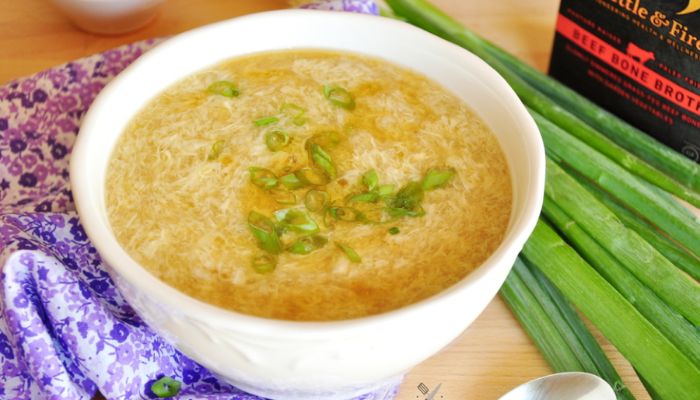
Eggs served as a valuable source of protein in 1930s America, when many families found meat too expensive. Egg drop soup, a simple take on a Chinese recipe, sounds quite fancy – but cooks prized it for being simple and relatively inexpensive, making it a staple in both homes and soup kitchens during the Great Depression.
The soup begins with potatoes and onions, which chefs gently brown to develop flavour, before they add water and seasonings to form a broth. Once the potatoes soften and break down, cooks crack in eggs and lightly scramble them, giving the soup body and texture. Nearly a century later, it remains as comforting and satisfying as ever.
You may also read :- Healthy Breakfast for Weight Loss: Easy and Nutritious Ideas
Liver mush
Liver mush has an aptly descriptive name, as it's essentially pig livers, snouts and ears – plus cornmeal and spices – all mushed together. The dish has become deeply ingrained in North Carolinian culture and is most often fried and served as a breakfast side, or eaten cold between slices of bread. Historians believe it likely originated with German settlers who travelled through the Appalachians in the 1700s. During the Great Depression, people also called liver mush 'poor man’s pâté', replacing meat that was harder to afford.
Funeral potatoes
Funeral potatoes is a comforting casserole-style dish that originated in the Mormon communities of Utah; Mormon women traditionally prepared it and served it to grieving families after funerals. It's rich with comfort food essentials – potatoes, soup, sour cream, butter and cheese – and finished with a crunchy cornflake topping.
These ingredients proved practical during World War II, as they were long-lasting and easy to store, particularly in a culture that encouraged well-stocked pantries at all times.
The poor man’s meal
Hot dogs and potatoes remained relatively plentiful during the Great Depression and had a decent shelf life, which made them staples of many dishes born out of necessity across the USA. The poor man’s meal combined fried potatoes and onions, topped with sliced hot dogs – much like breakfast hashes, which people still eat (and crave) today.
Cape Cod turkey
The name is certainly not a giveaway. Cape Cod turkey doesn't contain so much as a turkey thigh or scrap of white meat. It's actually salt cod served in a creamy sauce and topped with boiled eggs and potatoes. The origin of the name isn’t known for certain, though a popular theory suggests that someone served it at Thanksgiving, when early New England settlers had little available beyond fish.
Wacky cake
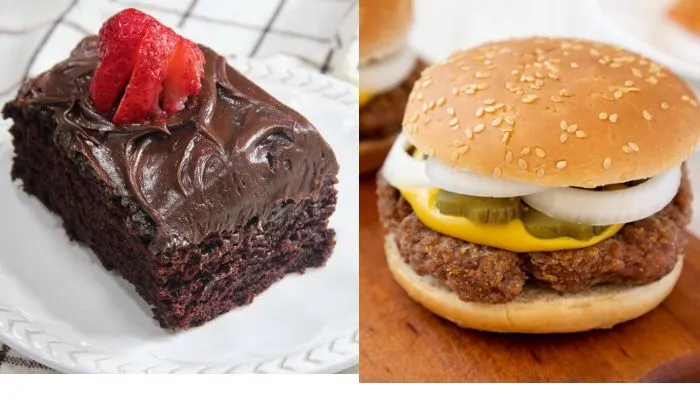
Also known, less breezily, as a ‘chocolate Depression cake’, the wacky cake arose from a complete absence of essential baking ingredients, including butter and eggs – yet this creative solution somehow works. The dry ingredients (flour, sugar, baking soda and, if available, cocoa powder) combine in the tin, then someone pours vegetable oil and vinegar into wells.
The baking soda and vinegar ‘meet’ while in the oven, helping the cake rise beautifully. Now, as vegan recipes become more prevalent, this cake doesn’t seem quite so wacky after all.
City chicken
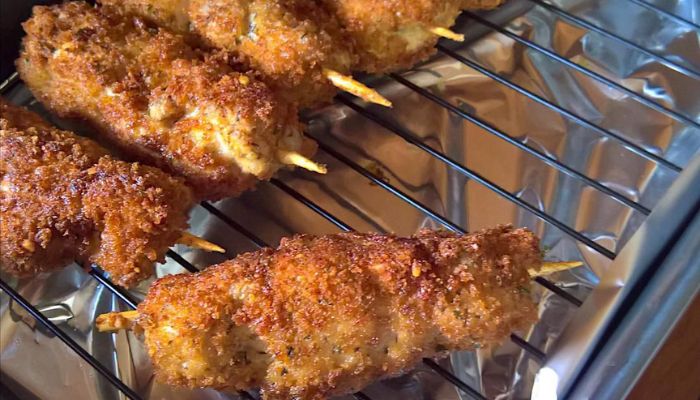
Chicken was much more expensive in the early years of the 20th century and often people regarded it as a luxury meat. So it's perhaps not surprising that city chicken, popular with urban workers in cities such as Cincinnati, Cleveland, Pittsburgh and Louisville, contains no chicken at all. Cubes of pork (or sometimes veal) are skewered, then fried or baked to make this simple, satisfying snack. It fell out of favour, of course, when chicken became more widely available.
Kartoshka
Known, charmingly, as cookie-crumb potatoes, kartoshka don’t actually contain any potatoes at all. In Soviet Russia, industrial kitchens and canteens had to account for every scrap of food, and no crumb went to waste. Cooks repurposed those scraps into new creations such as these sweet, potato-shaped truffles made from biscuit or cake crumbs bound with butter, condensed milk and cocoa powder.
Meat and potato patties
These plump, juicy patties became popular in the US during World War II, when meat rationing meant people were constantly looking for ways to make it stretch further. Cooks mixed ground meat – usually beef, but often whatever was on hand – with potatoes, chopped onions and any other vegetables that were available, creating a simple yet satisfying meal.
Conclusion
If there’s one thing this history shows, it’s that tough times make the best cooks. When war, the Depression, or just empty grocery shelves cut off access to basic ingredients like meat, eggs, and dairy, people didn't stop cooking—they got smart. They used cheap staples like potatoes and onions to stretch meals, used basic science to make cakes rise without eggs, and dressed up leftover scraps to look like entirely new treats.
Today, these recipes aren't looked down on as survival food. They are genuine favorites that remind us how a little creativity in the kitchen can turn absolute scarcity into a great meal.
FAQ
How does Wacky Cake rise without eggs or butter?
It uses a quick science trick. When you mix baking soda and vinegar together in the pan with oil and water, the reaction creates bubbles that lift the cake as it bakes.
Is there actual poultry in Cape Cod Turkey or City Chicken?
Nope, neither one has any bird in it. Cape Cod Turkey is actually salt cod in cream sauce with boiled eggs and potatoes. City Chicken is just cubed pork or veal on a stick, made to look like a chicken leg back when real chicken was too expensive for working families.
What goes into Funeral Potatoes?
It’s a heavy, comforting casserole made of potatoes, canned soup, sour cream, butter, and cheese, all baked under a crunchy layer of crushed cornflakes.
Why is Kartoshka named after potatoes if it's a dessert?
"Kartoshka" means potato in Russian, but these treats are just shaped like little potatoes. Soviet kitchens couldn't waste a single scrap, so cooks rolled leftover cake and biscuit crumbs together with butter, condensed milk, and cocoa powder to make a sweet truffle.
Where did Liver Mush come from?
German settlers probably brought the idea through the Appalachians back in the 1700s. By the time the Great Depression hit, it became a massive staple in North Carolina because it was a cheap way to get meat on the table, earning it the nickname "poor man’s pâté."
Cheese Danish