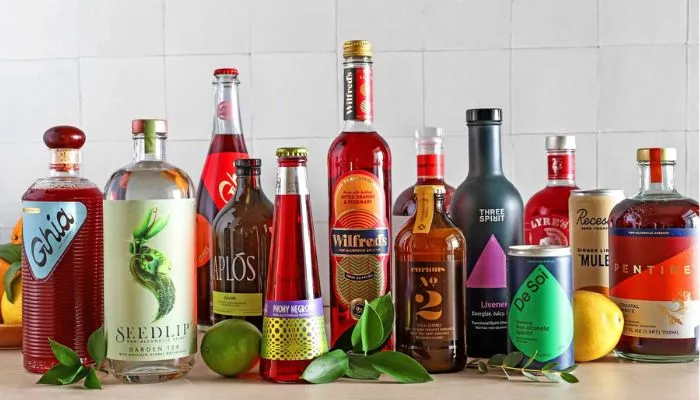
In recent years, low and no-alcohol drinks have exploded in popularity, resulting in Gen Z's current consumption being over 20% lower per head of population than Millennials' at the same age. When that many people give it up, they fundamentally alter the drinking landscape, and the industry needs to adapt too. So, do non-alcoholic beers taste good?
Features Writer Maria went to ask the people who know what the best ones are and put them to the taste test. The good news is that the bland bubbly beverage that the designated driver downed in the past is no more; beer brewers are now on board with the low-alcohol revolution, and the taste isn’t bad at all.
The inside scoop
In order to try and understand the low-alcohol phenomenon, I started talking to James Morgan from ZeroZilchZip, an online alcohol-free retail platform. A Zerologist and one of the start-up’s brand ambassadors, he explained to me a bit more about what the best alcohol-free beer tastes like and the process of making it. Keeping this in mind, I took a sample of the best alcohol-free and low-alcohol drinks out there so I could get you a sense of what’s what.
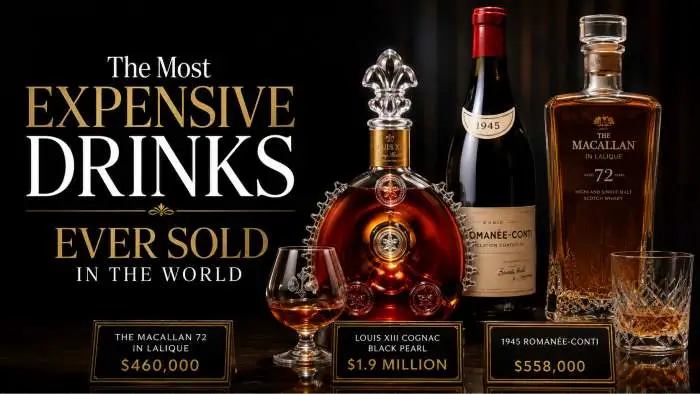
You may also read :- The Most Expensive Drinks Ever Sold in the World
How is non-alcoholic beer made?
There are two approaches to creating no and low alcohol beers: firstly “lazy yeast” naturally creates very little alcohol. Secondly, brewers remove alcohol after brewing has taken place. As alcohol does so many things for the beer from adding body to providing a structure on which flavours are hung, brewers must add extra ingredients such as sugar and hop extracts in an attempt to replace some of alcohol’s functions in the beer.
The cost of no- and low-alcohol
For starters, consumers can find it difficult to accept spending as much on no- and low-alcohol beers and ciders as they do on alcoholic varieties. And although in beer brewing brewers technically consider alcohol a byproduct of the fermentation process, they make a deliberate decision to exclude it in no- and low-alcohol versions, which has implications for the finished product. Which is why, Morgan notes, it’s often more expensive to brew an alcohol-free beer.
Tweaking the formula
Plus, as well as being another stage in the brewing process to factor in, producers require a great deal of work to adjust the flavour of no-and low-alcohol alternatives to mirror alcoholic ones. Another disadvantage is the reduced shelf-life, as alcohol naturally acts as a preservative. Nevertheless, Morgan claims consumers appear happy to pay for quality product in order to maintain a social life with friends without the stigma of not ordering alcohol.
What to look for
Your no- and low-alcohol beers and ciders resemble their boozed-up versions, which means that there's no reason for them to be any less complex than the boozy ones. Still, you want an alcohol-free or low-alcohol option that boasts good depth of flavor, mouthfeel and nose. A good booze-free doesn't mean that you're missing out.
The proof’s in the tasting
We sampled some of the highest-rated and most readily available no- or low-alcohol beers on the market, examining style, ABV, or Alcohol by Volume and how they taste. Everyone likes what they like though, so we also factored in just how highly the beverages rated on Untappd – the social network where beer drinkers post and rate beers from all over the world.
Athletic Brewing Co: Run Wild IPA
I really liked the approach of this lower-alcohol IPA from the American craft brewers Athletic Brewing Co – a brewery known for exciting and tasty craft non-alcoholic beers. Their Run Wild IPA hits you with a toastiness both in flavour and aroma which is complemented by light citrus and floral touches. Hoppy and with a touch of bitterness on the back-end but very easy-drinking.
Athletic Brewing Co: Upside Dawn Golden Ale
Clear and golden, this lightly bodied and eminently drinkable ale delights the palate. Its floral and earthy nose offers flavours of honey, lemon with a touch of grass. It’s crisp and medium carbonated, providing a very refreshing quaff during the warmer months. If bitterness isn’t your bag, then you should be drinking this one.
Mikkeller: Henry Gose Lightly
A fun and layered option in the low-alcohol range, Henry Gose Lightly showcases what a sour beer ought to taste like. Herbal and tart citrus notes pack this beverage, which manages to simultaneously offer both sweet and salty dimensions. With your first sip, an immediate sour zing reminiscent of a Margarita hits you, which mellows into hints of warm, malted wheat and a balanced effervescence
Wrap-Up
Younger generations are drinking far less alcohol, forcing breweries to get serious about zero-proof beer. While stripping out alcohol makes brewing more expensive and trickier to balance, modern techniques have completely changed the game. Non-alcoholic beers aren't just passable substitutes anymore—they’ve become complex, great-tasting drinks in their own right.
FAQ
Why do non-alcoholic beers often cost as much as regular beer?
Removing alcohol or stopping it from forming takes extra equipment, time, and ingredients like extra hops or sugar to fix the flavor and body. Because it's an added manufacturing step, it often costs brewers more to make non-alcoholic beer than standard beer.
How do brewers actually make non-alcoholic beer?
They usually take one of two routes: using special "lazy" yeast strains that naturally produce almost no alcohol during fermentation, or brewing standard beer first and then carefully filtering or evaporating the alcohol out.
Do alcohol-free beers actually taste like real craft beer?
Yes. Modern craft breweries focus heavily on hop flavor, body, and aroma to replace the mouthfeel that alcohol usually provides. Options now range from bitter IPAs and golden ales to complex sour beers.
Does non-alcoholic beer go bad faster than regular beer?
Yes. Alcohol acts as a natural preservative. Since zero-proof beers lack that high alcohol content, they generally have a shorter shelf life and need to be drank sooner.

The Pioneer Woman's Top Tips to Improve Your Cooking
Cheese Danish