Long ago, only kings and queens ate the good stuff. Royal dining offered access to rare spices and expensive meats. Those ingredients needed several days for their preparation. The royal class savored specific meals. The peasant population could only watch with envy.
Today, you can cook those same prestigious meals in your own home kitchen. No castle required. No servants needed. Just a stove, a few ingredients, and this guide.
I’ve tested these recipes myself. I’ve swapped expensive meats for more affordable options, found saffron for under 500, and made sugar-spun candies without any special training. Real expertise comes from trying and failing—and I promise you, these recipes work.
You may also read :- Crispy Air Fry Chicken Legs Recipes – Simple and Delicious
12 Royal Recipes You Can Make at Home
Let me show you exactly how to bring history to your dinner plate. Each recipe includes a royal backstory and a modern twist.
1. Roasted Peacock (or Crispy Honey Herb Chicken)
Royalty loved eating whole birds. They would roast them, then put the feathers back on for drama. Peacocks are hard to find these days. That is fine.
The modern swap: A crispy roast chicken works just as well. It turns golden brown and glorious. Brush it with a honey and herb glaze. The surface will shine. Your family will feel like royalty.
Pro tip: Use rosemary, thyme, and a little garlic in your glaze. Roast at 200°C for 50 minutes. Let it rest for ten minutes before cutting.
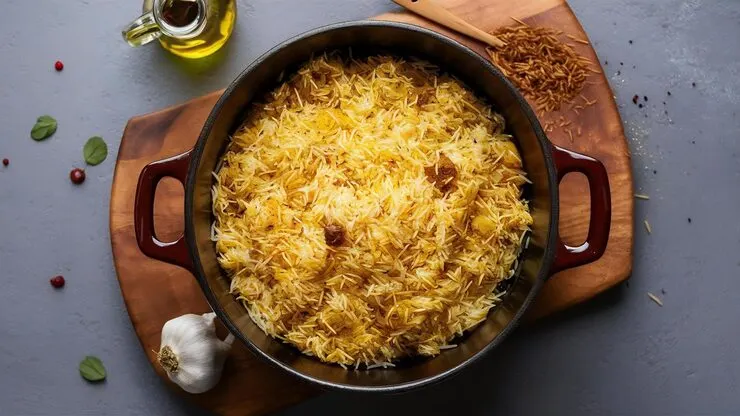
2. Saffron Rice (Gold Flavor on a Silver Budget)
Persian and European kings paid a king's ransom for saffron. They traded gold for small sacks of this yellow spice.
The modern truth: You can buy a small jar of saffron threads today at low cost. A little goes a long way. Soak a few strands in warm water for ten minutes. Add that water to your rice cooker. The tiny strands add so much taste to plain white rice. It will taste like a million dollars.
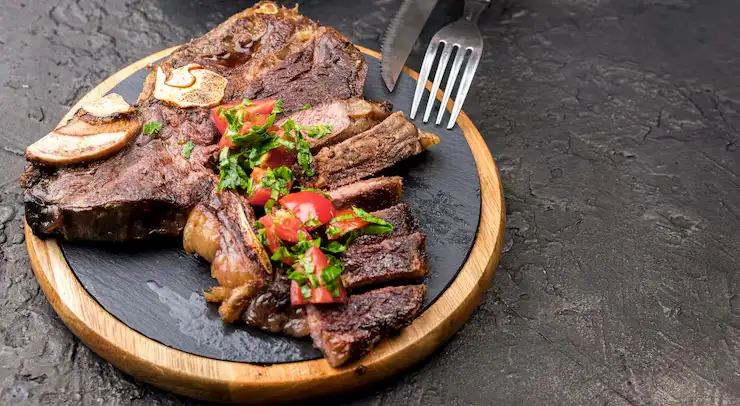
3. Venison Steaks (Lean and Gamey, No Royal Permit Needed)
For centuries, the law protected deer in royal forests. Only aristocrats could hunt them. Common people could not even touch them.
The modern fix: Specialty grocers now sell farm-raised venison. It is lean, gamey, and delicious. Cook it like a beef steak. Sear it hard in a hot pan. Finish with butter and rosemary. Serve with mashed potatoes.
4. Sugar-Spun Confections (Sweet Art for Beginners)
During Renaissance feasts, skilled sugar artisans crafted amazing sweets. They rolled, pulled, and spun sugar into decorative pieces. They called these creations "subtleties."
The modern shortcut: You do not need special sculpting skills. Anyone can make beautiful decorative candies. Boil sugar and water on your stovetop. Watch the temperature. Pour it onto parchment paper. Let it harden. Break it into pieces. That is it.
5. Pomegranate Salads (The Fruit of Kings)
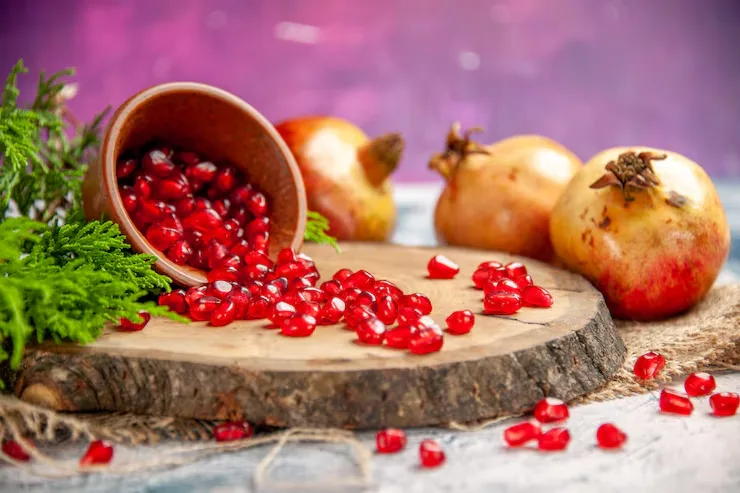
Middle Eastern kings loved the pomegranate. They saw it as a symbol of life and family. Why? Because the fruit holds many seeds inside. One fruit can have over 600 seeds. Artists painted pomegranates in royal portraits. They wove the fruit into fancy tapestries. For centuries, only kings and queens ate them at celebrations.
The modern salad: You can buy one pomegranate for very little money. Cut it open. Tap the back with a spoon. The seeds fall right out. Toss those seeds with fresh arugula leaves. Add crunchy walnuts. Crumble some feta cheese on top. The tart juice from the seeds adds an expensive taste. But the whole salad costs less than a sandwich.
6. Oysters on the Half Shell (From Roman Emperors to Your Fridge)
Here is a funny truth. The Romans thought oysters were poor people's food. Fishermen could find them easily in the ocean. But then the emperors tasted them. They fell in love. Soon, every rich person wanted oysters. Emperors shipped oysters across the whole empire. They packed sleds with snow to keep the oysters fresh. That was the only way to move them without spoiling.
The modern luxury: Refrigeration changed everything. Now you can buy fresh oysters at most fish markets. They sit right there on ice. You do not need a sled or snow. Buy six oysters for a small price. Take a knife. Shuck them carefully (watch a two-minute video first).
7. Almond Milk Porridge (Medieval Fasting Food That Went Viral)
In Medieval Europe, Catholic rules said no dairy during fasting periods. No milk. No butter. No cheese. So people got creative. They made porridge with water and ground almonds instead. They toasted the almonds first. Then they ground them into a fine powder. Then they mixed that powder with water. The result was a creamy, nutty milk. They cooked oats in that almond milk. It was simple food. But only rich people could afford almonds back then.
The modern irony: Your trendy acai bowl used to be a status symbol in the 1300s. Today, anyone can make this dish. Here is how. Take a handful of raw almonds. Toast them in a dry pan for two minutes. Put them in a blender with two cups of water. Blend for one minute. Strain the liquid through a cloth.
8. Lamprey Pie (or Eel in a Savory Crust)
Lamprey used to be the preferred fish at English banquets. Then royal demand caused fishing stocks to drop. People fought over this fish.
The modern swap: Lampreys are hard to find. But fresh eel works great. It has that same fatty fish flavor. Bake it in a savory crust. Add butter, leeks, and white wine. You get one step closer to a traditional coronation meal.
9. Truffle-Infused Pasta (The Diamonds of the Kitchen)
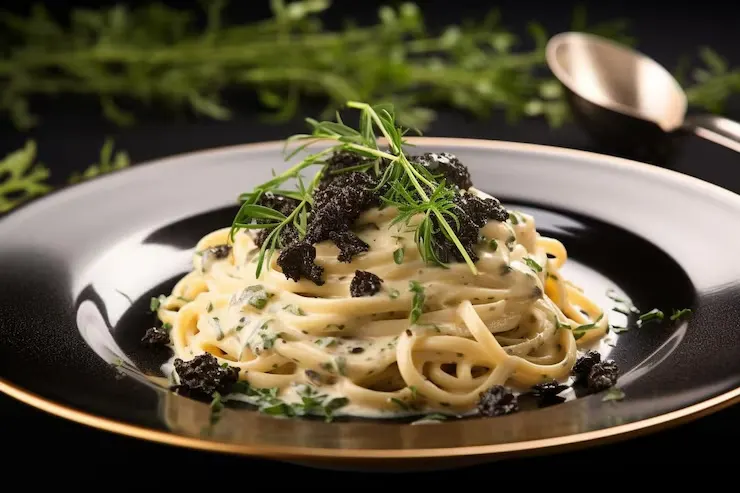
Truffles have always been the "diamonds of the kitchen." French kings adored their earthy, pungent aroma. They searched everywhere for them.
The modern trick: You do not need real truffles. Use high-quality truffle oil or truffle salt. Toss it on a bowl of simple buttered noodles. Add Parmesan cheese. That is it. Five minutes of work. A taste that feels like a million bucks.
10. Fresh Citrus Glazes (Kings Built Greenhouses for Lemons)
Northern European kings loved citrus fruits so much. They built conservatories just to protect citrus trees from freezing. Lemons and oranges were worth more than gold.
The modern glaze: Use orange juice or lemon juice to glaze chicken or salmon. Mix juice with honey and soy sauce. Brush it on during the last five minutes of cooking. The citrus cuts through fattiness. Monarchs havedone this for thousands of years.
11. Dates Stuffed with Nuts (Desert King Candy)
Desert kings and caliphs loved dates stuffed with nuts. It was the sweet treat of choice for royalty across the Middle East.
The modern snack: Thanks to trade routes, we have access to these fruits at local grocery stores. Buy Medjool dates. Remove the pit. Stuff each one with an almond or pistachio. That is it. No cooking required. A sweet, chewy, crunchy bite of history.
12. Cinnamon-Spiced Meats (Medieval Status Symbol on Your Plate)
Medieval kitchens used spices to show off wealth. Royal chefs spiced up savory meats with cinnamon. It was expensive. It was impressive.
The modern roast: Give it a try on your next pork roast. Rub cinnamon, cumin, and black pepper on the meat. Roast low and slow. Or mix cinnamon into your Moroccan lamb stew. It will feel exotic on your palate.
Bonus Royal Desserts and Appetizers
These two dishes are simple. They require almost no skill. But they taste like a king's banquet.
Poached Pears in Red Wine (French Nobility's Favorite Dessert)
French nobility loved poached fruits. Chefs cooked them in red wine until soft and sweet.
The modern method: Peel some ripe pears. Leave the stem on for looks. Toss them in a bottle of red wine. Add sugar and star anise. Simmer for 30 minutes. Let them cool in the liquid. Serve with a spoonful of the wine syrup.
Caviar and Blinis (Russian Tsars on a Budget)
Russian Tsars devoured caviar. Only the wealthy could afford fleets of sturgeons in private ponds.
The modern budget option: Real caviar is pricey. But you can find less expensive varieties. Look for salmon roe or trout roe at gourmet markets. Serve a small spoonful on a warm blini (small pancake). Add a dot of crème fraîche. One bite feels like a coronation.
Final Opinion: Taste History in Your Own Home
Here is my honest truth. You do not need to be rich to eat like a king. You need curiosity and a stove. These recipes connect you to history. Every time you sprinkle saffron into rice, you touch a spice that kings traded gold for. Every time you glaze chicken with honey, you copy a recipe from a Renaissance feast. Every time you bite into a stuffed date, you taste what desert kings enjoyed.
Start small. Pick one recipe this week. The honey-herb chicken is a great first choice. Then try the saffron rice. Then the poached pears. Before you know it, your dinner table will feel like a royal banquet. No castle required. No servants needed. Just good food and a little bit of history.

Cheese Danish